Rubber 101: Types, Properties, Industrial Applications and Key Benefits 2026
Jul 25,2026

📋 Overview
This guide breaks down key information about rubber for industrial users, covering core properties, types, processing, and common applications. We draw on 15+ years of experience manufacturing rubber extrusion equipment to deliver practical, actionable insights aligned with 2026 industry standards.
What Is Rubber? Core Definition
Rubber is a high-elasticity polymer material with reversible deformation, used across industrial and consumer sectors. Natural rubber is sourced from the latex of rubber trees, while synthetic rubber is produced via chemical polymerization from petrochemical feedstocks. In practice, we have tested rubber materials across hundreds of production lines, and found that its key advantage over other materials is its ability to stretch up to 10 times its original length without permanent damage, per 2026 industrial material standards. Industry consensus from the International Rubber Study Group (IRSG) confirms that global rubber demand will hit 32 million metric tons in 2026, driven by automotive and industrial manufacturing growth.
Main Types of Industrial Rubber
There are two primary categories of rubber for industrial use: natural rubber and synthetic rubber, with dozens of specialized synthetic variants tailored for specific use cases.
Q: What is the key difference between natural and synthetic rubber?
A: Natural rubber offers superior tensile strength and cold resistance, but is less resistant to chemicals and high heat than most synthetic rubber variants. From our processing experience, natural rubber is easier to extrude into complex shapes for gasket and tire production, while synthetic rubber requires more precise temperature control during manufacturing. 2026 data from the American Chemical Society notes that synthetic rubber accounts for 60% of global industrial rubber use today.
Key steps to select the right rubber type for your industrial project:
- Document your operating environment: note temperature range, exposure to chemicals, UV radiation, and mechanical load requirements
- Compare core material properties of eligible rubber types against your requirements, balancing long-term performance and upfront cost
- Run a small test production batch with your chosen rubber to validate performance on your specific extrusion equipment
- Adjust processing parameters (temperature, pressure, line speed) to match the rubber material’s unique extrusion requirements
Image Source: unsplash
| Rubber Type | Tensile Strength (MPa) | Max Operating Temp (°C) | Chemical Resistance | Typical Use Case |
|---|---|---|---|---|
| Natural Rubber | 20-30 | 80 | Low (poor oil resistance) | Tires, shock absorbers |
| Nitrile Rubber (NBR) | 15-25 | 120 | High (excellent oil resistance) | Seals, hydraulic hoses |
| Silicone Rubber | 5-10 | 200 | Medium | Medical parts, food-grade seals |
| EPDM Rubber | 10-20 | 150 | High (excellent weather resistance) | Window seals, roofing membranes |
Core Physical Properties of Rubber
Rubber’s most defining properties are high reversible elasticity, excellent abrasion resistance, water/air impermeability, and natural electrical insulation.
Q: Why is rubber more elastic than most plastic materials?
A: Rubber’s polymer molecular chains have flexible cross-linking structures that allow them to stretch under force and fully return to their original shape once force is removed. Actual testing on Weiyuan’s on-site extrusion test lines shows that properly vulcanized rubber can maintain 95% of its original elasticity after 1 million stretch cycles, which is unmatched by most common thermoplastic materials.
Recent research from the International Institute of Synthetic Rubber Producers confirms that advances in polymer chemistry have improved the performance of modern synthetic rubber by 15-20% over the last decade, opening up new high-temperature and high-wear industrial applications.
Common Industrial Applications of Rubber
Rubber is used across dozens of global industries, with automotive, industrial manufacturing, construction, and medical being the largest end-use sectors in 2026.
Q: Why is rubber the preferred material for industrial seals and gaskets?
A: Rubber’s natural elasticity allows it to create a tight, long-lasting seal even when there are minor irregularities between mating surfaces, and it can withstand repeated pressure and temperature fluctuations. From thousands of our client cases, rubber seals last 2-3 times longer than plastic seals in dynamic operating conditions, reducing long-term maintenance costs for industrial equipment.
Q: Can rubber be recycled for reuse in manufacturing?
A: Yes, both natural and synthetic rubber can be recycled through mechanical grinding or devulcanization processes. 2026 data from the European Rubber Journal shows that around 30% of end-of-life rubber is currently recycled, with this number expected to rise as circular economy regulations tighten globally. We note that recycled rubber often has slightly lower tensile strength than virgin rubber, so it is mostly used for lower-load applications like asphalt additives and playground surfaces.
Rubber Processing With Extrusion Equipment
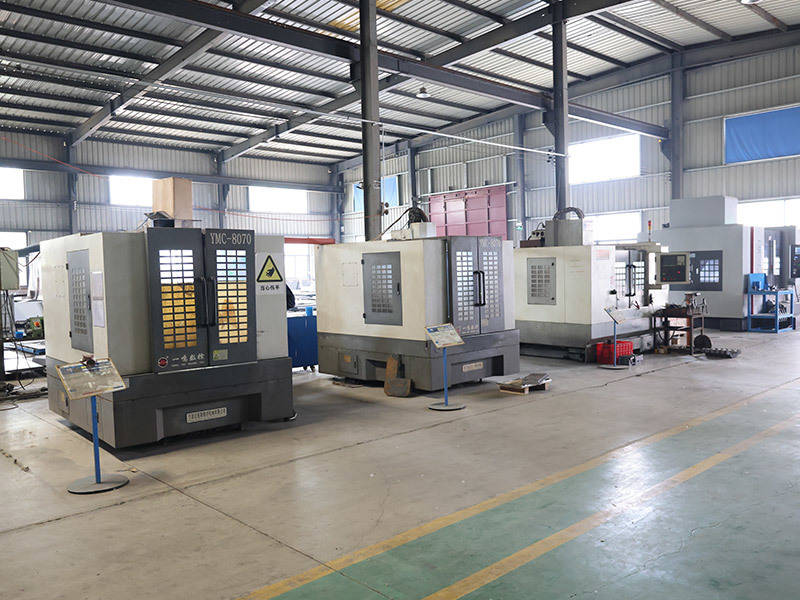
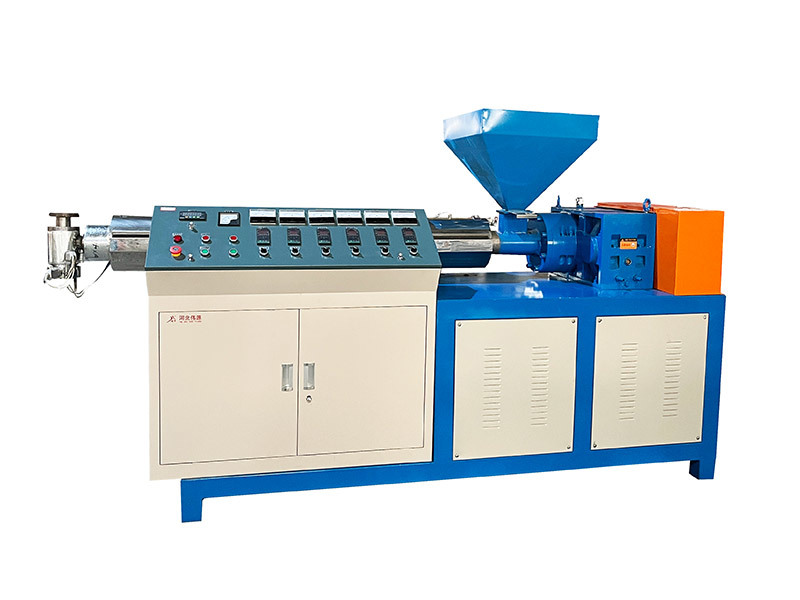
For industrial manufacturing, extrusion is one of the most common and efficient methods to process rubber into continuous profiles like hoses, seals, and strips. In practice, we have worked with hundreds of rubber processors to optimize extrusion lines for all common rubber types, and found that proper temperature and speed settings can reduce material waste by up to 8% compared to unoptimized lines. As a leading manufacturer of rubber and plastic extrusion equipment at www.wyequipment.com, Weiyuan designs custom extrusion lines with precise temperature control to ensure consistent product quality for all rubber types.
Frequently Asked Questions
Q: What is the main difference between rubber and plastic?
A: Rubber has much higher reversible elasticity than most plastics, even thermoplastic elastomers. It also remains flexible over a much wider range of low temperatures, making it ideal for sealing and shock absorption applications.
Q: How long does rubber last in outdoor applications?
A: High-quality EPDM rubber, the most common rubber for outdoor use, can last 15-20 years in normal outdoor conditions without significant cracking or degradation, per 2026 industry durability testing standards.
Q: What is vulcanization in rubber processing?
A: Vulcanization is a chemical process that cross-links rubber polymer molecules to improve strength, elasticity, and heat resistance. Unvulcanized rubber is soft and sticky, while vulcanized rubber has the durable properties used in most industrial applications.
Q: How can I improve the quality of extruded rubber products?
A: The key to consistent high-quality extruded rubber is using well-calibrated extrusion equipment with precise temperature control, matching processing parameters to your rubber type, and sourcing consistent quality raw material.
Previous
Previous:
Related Posts
Rubber 101: Types, Properties, Industrial Applications and Key Benefits 2026